Driving Signs & Road Rules
Road signs and road rules in Sri Lanka
Choose a category to see every sign, marking or signal in it. The rules that apply when you drive are below.
Categories
Road sign categories
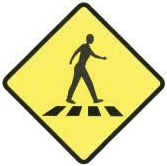
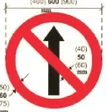
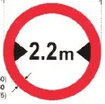
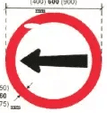



Reading a sign
The shape and colour tell you what a sign means
- Yellow diamond
Warning signs
Warn you of a hazard or road condition ahead, such as a bend, junction, crossing or other danger.
- Red-bordered circle
Regulatory signs (Prohibition or restriction)
Indicate something you must not do, or a limitation such as a speed limit or turning restriction.
- Red-bordered triangle
Give way signs
Tell you to give way and let other traffic go first at junctions or other locations.
- Red octagon
Stop sign
You must stop completely and give way before continuing, where required by the rules.
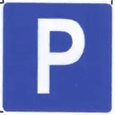
- Blue square or rectangle
Information signs
Provide information and indicate facilities or services, such as parking, hospitals, bus lanes and expressways.
Speed
Speed limits
- Built-up areas and towns50 km/h
Motor vehicles on the listed roads. Lower limits apply to some vehicles and in some places.
- Roads outside built-up areas70 km/h
Most motor vehicles. Motor coaches and lorries have a lower limit.
- Southern Expressway100 km/h
The maximum on this expressway. Follow the signs for the limit on each section.
Speed limits can change, and signs on the road always apply. Check the current rules with the Department of Motor Traffic (DMT) before you drive.
Road rules
Key rules for drivers in Sri Lanka
- 01
Drive on the left
Drive on the left side of the road. Overtake on the right when it is safe and permitted. Check mirrors and blind spots before changing lanes.
- 02
Wear a seat belt
Wear your seat belt correctly. On Sri Lankan expressways, all occupants must wear seat belts, including passengers in the rear seats.
- 03
Wear a proper helmet
Motorcycle riders and pillion passengers must wear a properly fitted, securely fastened helmet that meets the required standards.
- 04
Do not use a phone while driving
Do not hold or use a mobile phone while driving. Stop in a safe, permitted place before making a call or sending a message.
- 05
Never drive under the influence
Never drive after drinking alcohol or using drugs that impair your ability to drive. Arrange a safe alternative such as a designated driver or public transport.
- 06
Keep required documents valid
Carry your valid driving licence and ensure the vehicle has a valid revenue licence, insurance and any required emission or fitness certificates.
- 07
Protect pedestrians
Slow down near pedestrian crossings, schools and busy public areas. Watch for pedestrians and stop when required to let them cross safely.
- 08
Obey traffic lights and police directions
Follow traffic lights, road signs and road markings. Stop at a red light, and obey directions given by a police officer even when they differ from the usual signal.
- 09
Use your indicators
Signal before turning, changing lanes or moving away from the roadside. Check mirrors and make sure the manoeuvre is safe.
- 10
Park only where permitted
Do not park where signs or road markings forbid it. Keep clear of junctions, pedestrian crossings, bus stops and other places where parking is prohibited.
- 11
Follow speed limits
Obey the posted speed limit and adjust your speed for traffic, weather and road conditions. Speed limits vary by road type and vehicle class.
- 12
Give way safely
Follow give way signs, junction rules and roundabout markings. Check carefully and let other traffic go first when required.